In liquid chromatography, there are many decisions we make without a second thought. We take it for granted that everything will work out because we use good solvents , we have a new column , and the method is optimized. But… have you checked the injector lately?
That simple gesture —injecting the sample— can be the source of more problems than you imagine.
What the chromatogram says
Split, wide, or variable-height peaks. Background noise. Irregular reproducibility. If you've already ruled out problems with the column or solvents, it's time to look at the injector and everything around it: from the needle to the sample loop, including how you prepare and handle the sample.
And we're not just talking about mechanical problems like leaks or clogged capillaries. There are other, less visible, but equally critical errors.
The keys that make the difference
- Dissolve well… and in the correct solvent
Ideally, your sample should be dissolved in the same mobile phase that passes through the column at the time of injection. If that's not possible, at least ensure that the solvent is less strong than the mobile phase. A solvent with low eluotropic strength - superior can completely alter the chromatographic profile.
- External cleaning of the needle: it's not a whim
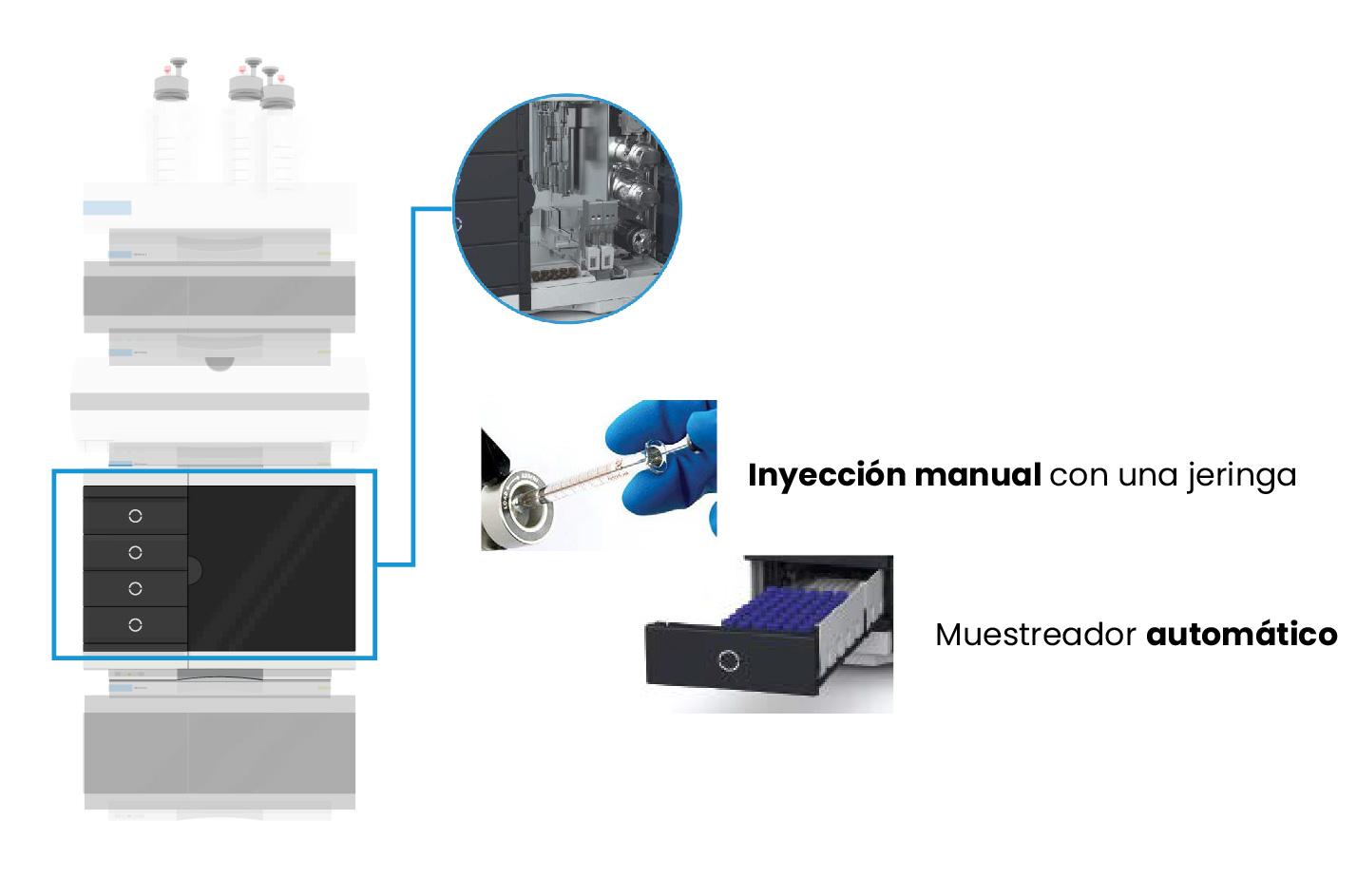
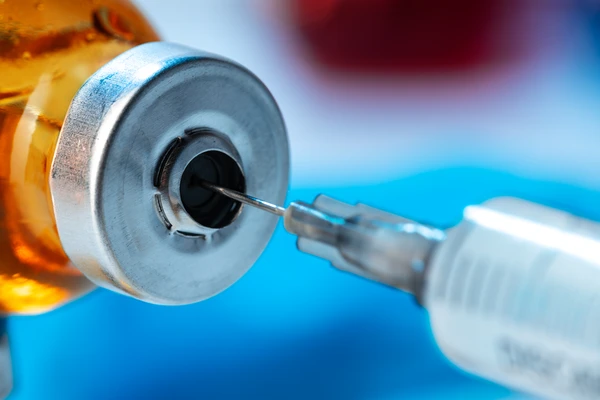
In autosamplers, internal needle cleaning is usually ensured. However, the exterior, especially with viscous or high-concentration samples, also requires attention. The solution? Use appropriate rinsing vials to immerse the needle between injections and prevent cross-contamination. - Filtered sample = happy system
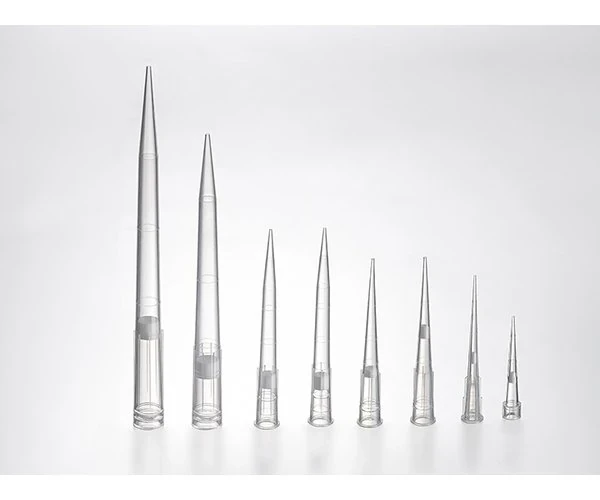
Don't take chances: always filter. Use 0.45 µm syringe filters for conventional HPLC or 0.2 µm for UHPLC. This prevents clogging of the needle and column frit. - Avoid taking a sample from the bottom of the vial.
Invisible sediments accumulate there. If you disturb them, you could be injecting particles that compromise your analysis… and your system. - System with extra pressure? It could be the injector's fault.
Worn seals, capillaries clogged with debris, faulty valves… Sometimes, high pressure doesn't come from the column, but from the injector itself. Check the condition of the mechanical parts and don't hesitate to replace anything that's damaged.