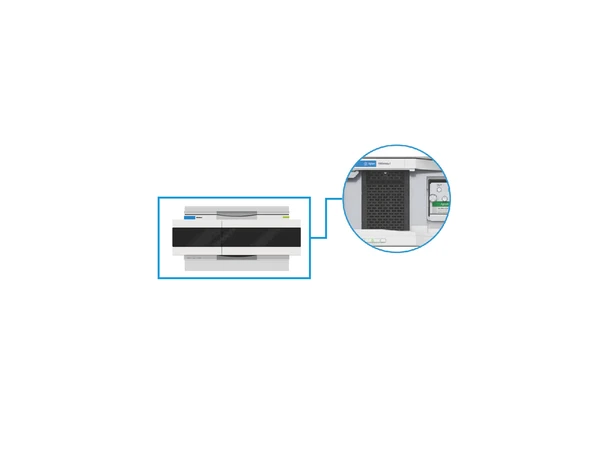
Categories

Problems with the detector? Sometimes the problem isn't in the sample.

This article addresses the most common HPLC detector failures and how to identify their source. It distinguishes between electronic problems, which should be resolved with the manufacturer, and mechanical or optical failures, which typically focus on the flow cell. Warning signs such as bubbles, contamination, or high pressure are also detailed, and critical maintenance aspects are mentioned, such as lamp status or parameter settings such as gain and response time. The text provides practical advice for diagnosing and preventing errors that directly affect the quality of chromatographic analysis.


Cuando algo falla en el detector, el síntoma puede ser sutil o llamativo: una línea base ruidosa, picos inestables o una caída inesperada en la sensibilidad. Lo primero es saber de dónde viene el problema, ya que suele tener dos orígenes posibles: electrónico o mecánico/óptico.

Los fallos electrónicos —como errores de conexión o circuitos dañados— deben ser atendidos directamente por el fabricante del equipo. Pero muchos de los problemas más frecuentes están relacionados con la celda de flujo, el corazón óptico del detector.

Señales de alerta que pueden indicar un problema en la celda:

  • Burbujas de aire atrapadas

  • Contaminación interna

  • Fugas o presión excesiva

  • Daños por mal manejo o desgaste

Todo esto puede traducirse en una respuesta reducida del detector, fluctuaciones en la línea base o incluso picos espurios. Además, algunos detectores, como los de índice de refracción, utilizan celdas especialmente sensibles a la presión: si se exceden los valores recomendados por el fabricante, el cristal de la celda puede romperse fácilmente.
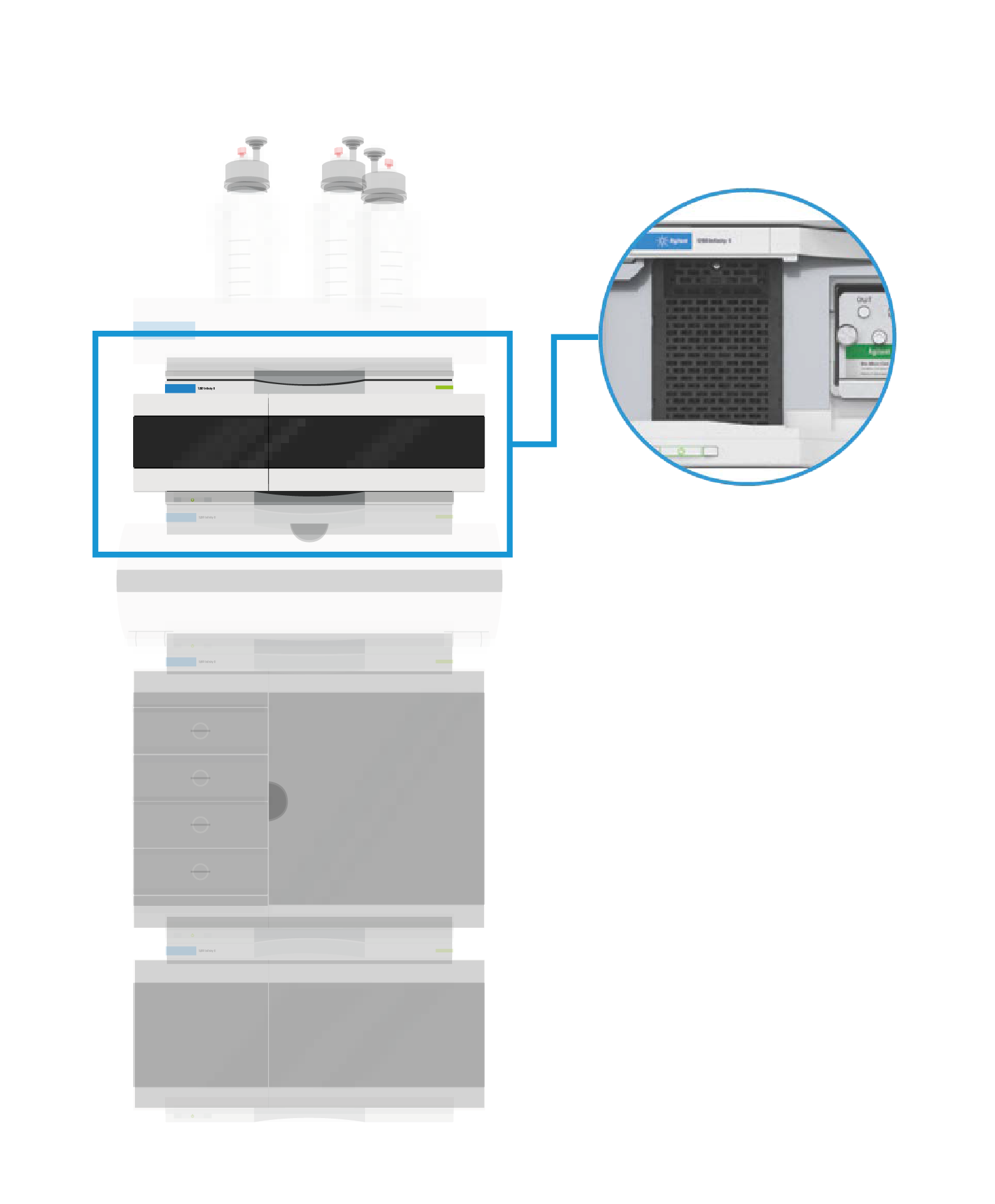
Tampoco hay que olvidarse del estado de los componentes internos del detector: una lámpara envejecida, un ajuste incorrecto del tiempo de respuesta o una ganancia mal configurada también pueden comprometer la calidad del análisis.


Artículos recomendados

See all
Safe sample preservation: keys to choosing your next ultra-low temperature freezer
The integrity of years of research depends on a single factor: the thermal stability of your samples. Ultra-low temperature (ULT) freezers must not only cool, but also guarantee safety and efficiency in the face of any unforeseen event. The Eppendorf CryoCube F570n and F440n series have been designed precisely to be the guardian of your critical samples.
Practical Guide: How to choose the ideal centrifuge for your application
In the laboratory, choosing a centrifuge depends not only on speed; it depends on what you're going to centrifuge, in what quantity, and under what temperature conditions. Eppendorf has designed its 5910 Ri G and 5427 R G models to cover everything from basic research to high-throughput processes.
Maximum performance in minimum space: Tabletop incubator shakers
In laboratories with a high density of equipment, every centimeter counts. However, reducing size shouldn't mean compromising culture capacity or agitation stability. The Eppendorf Innova 40 and Innova 40R models are the ideal solution for those looking to optimize their workspace without sacrificing performance.