Categories

The pump: the heart that sets the rhythm in HPLC

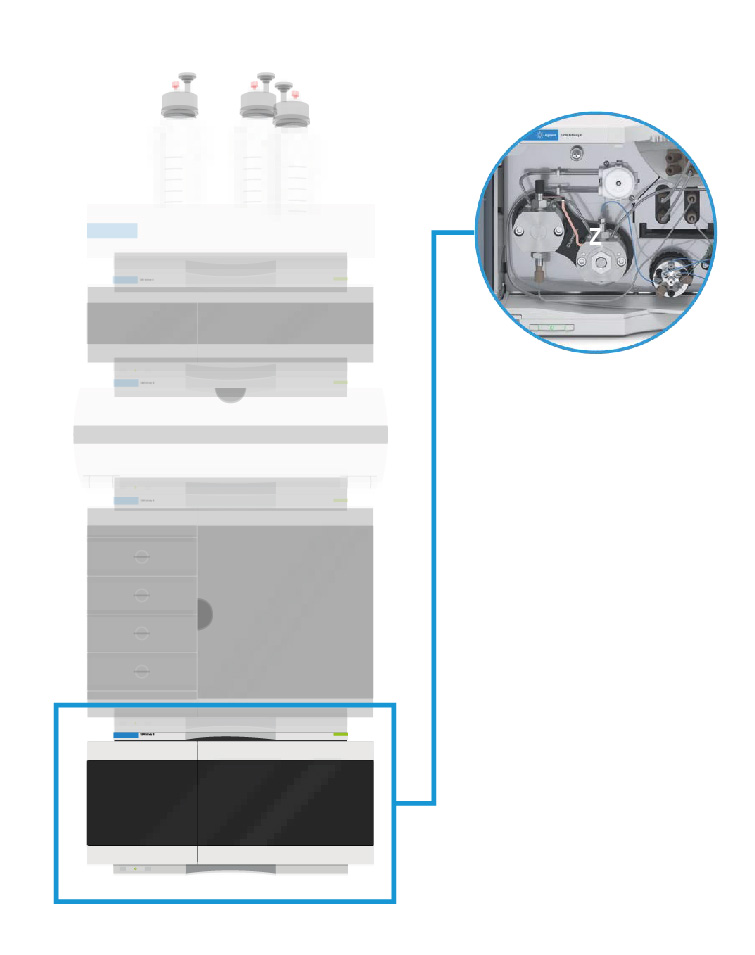
The pump is one of the most critical components in an HPLC system: its job is to maintain a constant and precise flow of the mobile phase. When it fails, the symptoms can be as subtle as a slight noise in the baseline or as obvious as a pressure spike. In this post, we explain the differences between high- and low-pressure pumps, the most common signs of failure, and how good maintenance can prevent most problems. A practical read for those who know that the system's performance depends, to a large extent, on this small but vital component.


In liquid chromatography, the pump is responsible for maintaining a constant flow of the mobile phase… and when something goes wrong, the chromatogram shows it.

Whether it's a small noise in the baseline, a pressure that rises for no apparent reason, or a flow that becomes unstable, many times the origin is there: in the pump.

High pressure vs. low pressure: it's not all about strength

  • High-pressure gradient system
    It mixes the solvents after the pump. It is accurate and fast, although it may deliver a slightly lower flow than programmed due to solvent contraction.
  • Low-pressure gradient system
    Mix the solvents before the pump. This is more flexible, but it introduces a delay in the arrival of the gradient to the column, something to consider in methods with rapid ramps.
What signs tell you that something is wrong?

  • Repetitive noise on the baseline
  • Pressure spikes with no apparent cause
  • Poorly reproducible gradients
  • Visible leaks or salt buildup near connections
  • Loss of priming or difficulty starting the flow

Most of these symptoms point to problems with check valves, pistons, seals, or trapped air bubbles.

Maintenance that makes the difference

A well-maintained pump is an invisible pump. Replacing seals regularly, purging with deionized water at the end of the day (especially if you use phases with salts), and being attentive to the first signs of wear are what make the difference between a smooth routine and a day full of surprises.
Artículos recomendados

See all
Filter tips
Filter tips
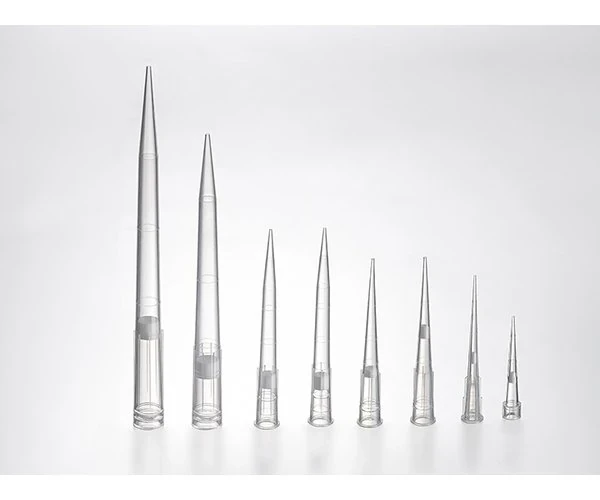
Filter tips for automatic pipettes with aerosol barrier. They protect against cross-contamination in PCR, molecular diagnostics, and cell biology. Universally compatible with major brands.
Oenological synergies: Winemaking with non-Saccharomyces and its control through precision analytics
A comprehensive technical analysis of the application of non-Saccharomyces yeasts (Lachancea, Torulaspora, Metschnikowia) in winemaking and their direct analytical control. We detail the laboratory protocol (NFA, lactic acid, and viability) to ensure perfect sequential inoculation.
PhenoVue™ CNS: Analytical certainty in the identification of neurons and glial cells
We analyzed Revvity's PhenoVue™ CNS, the all-in-one solution distributed by Proquinorte for the clear and reproducible characterization of hiPSC-derived neurons, astrocytes, and microglia
Discover your gift