Categories

Sustainable Science: How Biobased Plastic is Transforming the Laboratory

In the last decade, sustainability has gone from being an option to becoming a necessity within research environments. Laboratories generate a considerable amount of plastic waste, but Eppendorf is leading the charge towards a greener future with its new line of BioBased consumables.


What does it really mean for plastic to be "biobased"?

Unlike conventional plastics derived from petroleum, biobased products are manufactured from renewable and reused resources . In the case of Eppendorf, 100% bio-based polypropylene is used . This means that the raw material comes from vegetable sources, helping to close the carbon cycle and reducing dependence on fossil fuels without compromising the technical quality that the laboratory requires.

54% reduction: Less plastic, more efficiency

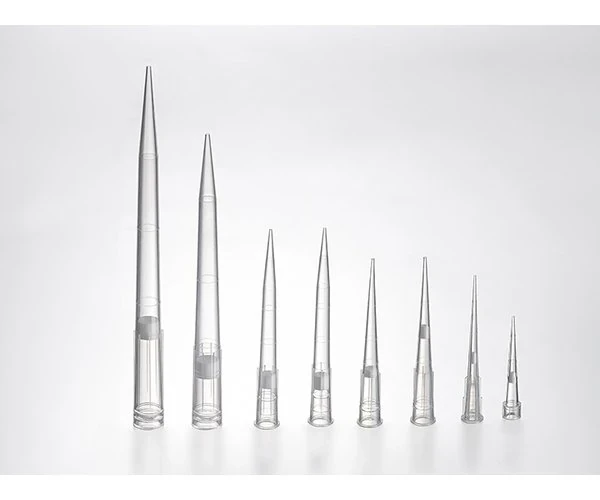
One of the biggest successes in this range is the redesign of its supply systems. For example, epT.IPS® BioBased pipette tips in soil are sustainable due to their material, as well as their shape:

  • The refill system allows you to use 54% less plastic compared to traditional methods.
  • They are available in volumes up to 1,250 µL and in different qualities such as Dualfilter and SealMax® .

A real impact on the carbon wall

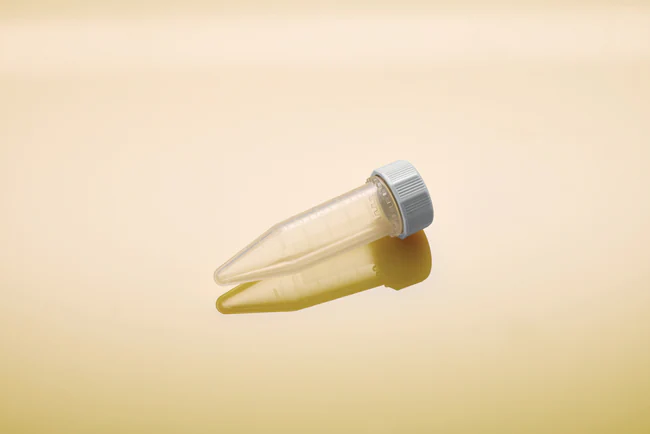
The use of consumables such as Eppendorf Tubes® BioBased and Deepwell BioBased Plates allows institutions to significantly reduce their carbon footprint. By choosing products manufactured with clean energy and renewable materials, the laboratory contributes directly to global sustainable development objectives, maintaining the maximum quality and purity (pyrogen-free, DNasas and RNasas) necessary for accurate results. biobased Proquinorte tubes
Enjoy our exclusive promotion!

It's time to update your laboratory with conscious technology.

Get a 20% discount on the entire BioBased range and other selected products .

Promotion code: PH1_EP26 .

Valid until: June 30, 2026 .

Artículos recomendados

See all
Safe sample preservation: keys to choosing your next ultra-low temperature freezer
The integrity of years of research depends on a single factor: the thermal stability of your samples. Ultra-low temperature (ULT) freezers must not only cool, but also guarantee safety and efficiency in the face of any unforeseen event. The Eppendorf CryoCube F570n and F440n series have been designed precisely to be the guardian of your critical samples.
Practical Guide: How to choose the ideal centrifuge for your application
In the laboratory, choosing a centrifuge depends not only on speed; it depends on what you're going to centrifuge, in what quantity, and under what temperature conditions. Eppendorf has designed its 5910 Ri G and 5427 R G models to cover everything from basic research to high-throughput processes.
Maximum performance in minimum space: Tabletop incubator shakers
In laboratories with a high density of equipment, every centimeter counts. However, reducing size shouldn't mean compromising culture capacity or agitation stability. The Eppendorf Innova 40 and Innova 40R models are the ideal solution for those looking to optimize their workspace without sacrificing performance.