Laboratory orbital shakers are essential equipment for applications such as cell cultures, bacterial suspensions, solubility studies, and staining or washing procedures. Thanks to their controlled orbital motion, they ensure uniform and efficient mixing of your samples. How do you choose the model that best suits your needs? We'll explain it step by step.
1. The type of agitator: open, incubated, or refrigerated?
The first thing you should consider is the type of orbital shaker your application requires.
- Open shakers : These are designed to operate at room temperature, either on a work surface or inside chambers, incubators, or refrigerators. They are ideal for procedures that do not require temperature control, such as certain stains, washes, or solubility studies. Furthermore, they are usually more economical as they lack heating or cooling systems.
- Shakers with incubation and/or refrigeration : These are ideal for tasks requiring precise temperature control, such as bacterial cultures at 37°C or protein studies at lower temperatures. These models offer versatility and are typically available in benchtop, floor-standing, or even stackable versions.
If your work involves the use of CO2 incubators, make sure you choose a model compatible with these conditions to avoid damage from high humidity and CO2.
2. What capacity should an orbital shaker have? Key factors
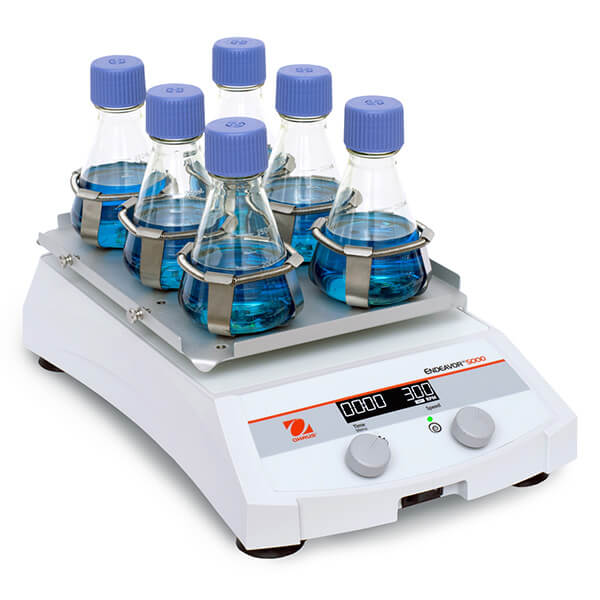
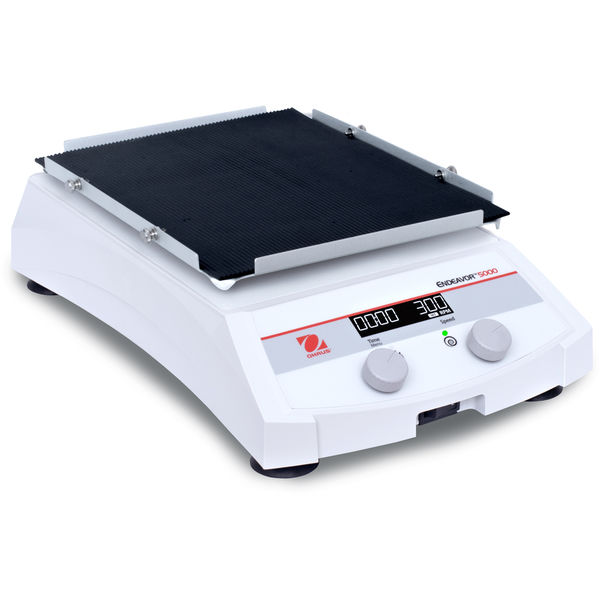
The capacity of the agitator is determined by both the size of the platform and the maximum weight it can support. If you need to agitate large volumes or many containers at once, look for models with wide platforms and robust mechanisms, such as those with triple eccentricity, which ensure stable movement even under heavy loads.
Don't forget to consider the type and number of containers you'll be using: Erlenmeyer flasks, beakers, test tubes, or microplates. This will help you choose the right platform size.
3. What orbital diameter should be chosen according to the application?
The orbital diameter of the shaker directly influences oxygen transfer, an essential factor in cell cultures. For reference:
- <10 mm : ideal for microplates and small tubes.
- 15-25 mm : the most versatile option for flasks and beakers up to 2 liters.
- >30 mm : recommended for large containers of more than 2 liters or crops sensitive to shear.
4. What is the ideal speed of an orbital stirrer?
The agitation speed is key for optimal culture growth or for specific procedures such as staining. For example:
- Bacteria: ~250 rpm
- Mushrooms: ~200 rpm
- Yeast: 120-300 rpm
- Algae: ~110 rpm
- Insect cells: ~100 rpm
- Staining: 15-70 rpm
Keep in mind that digital models typically offer a wider and more accurate speed range, with added benefits such as alarms, sensors, and connectivity options for data logging.
5. Technology: Analog or digital?
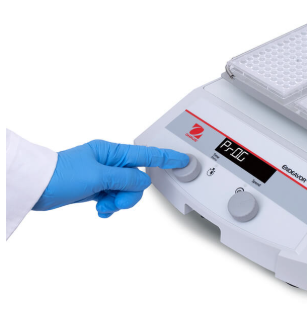
If you're looking for a simple and inexpensive solution, an analog stirrer might suffice, although it will require more maintenance (for example, replacing motor brushes). In contrast, digital stirrers offer greater accuracy, require less maintenance, and have advanced features that simplify daily tasks.
Conclusion
Choosing an orbital shaker is a decision that should be based on the type of application, the required temperature control, the anticipated workload, and the technological features you want to incorporate. Analyze your needs and choose a model that guarantees performance, reliability, and durability.